
How to Spot an AI LinkedIn Headshot — and Why Recruiters Already Can
Recruiters are flagging AI LinkedIn headshots faster than people are uploading them.
I had a recruiter friend tell me last month that her team has a private Slack channel just for AI-headshot screenshots — guess this one, here’s another one, this whole company’s leadership page is AI. They’re not being mean about it. They’re calibrating. Because every fake photo costs them a thirty-minute interview where the person who shows up doesn’t match the person on the profile.
I photograph for a living. I’m pro-photography, obviously. But I want to be honest about why a real session beats AI on LinkedIn — not because of some moral argument about authenticity, but because of the specific, technical, observable tells that AI tools haven’t solved yet.
Here’s what to look for.
The Six Tells
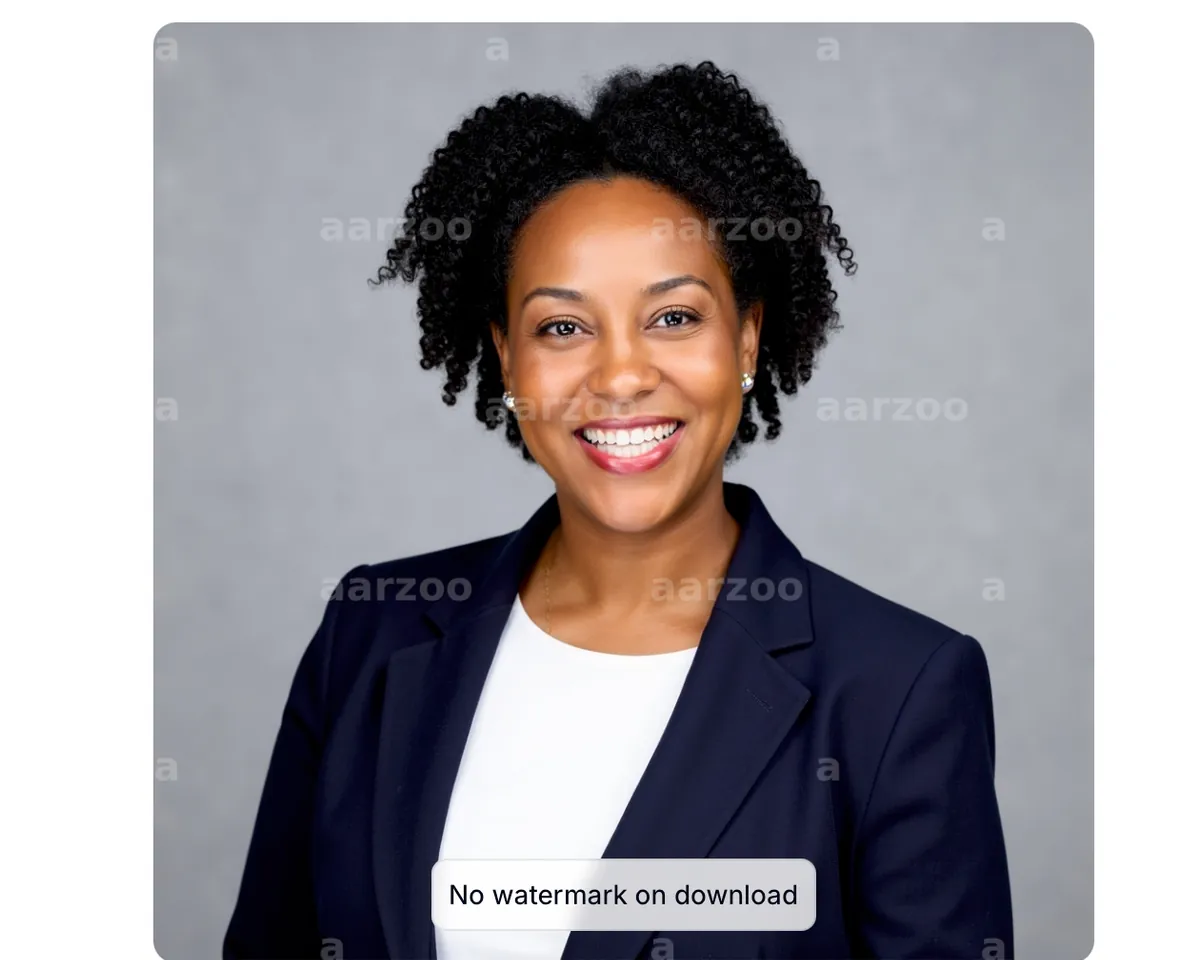
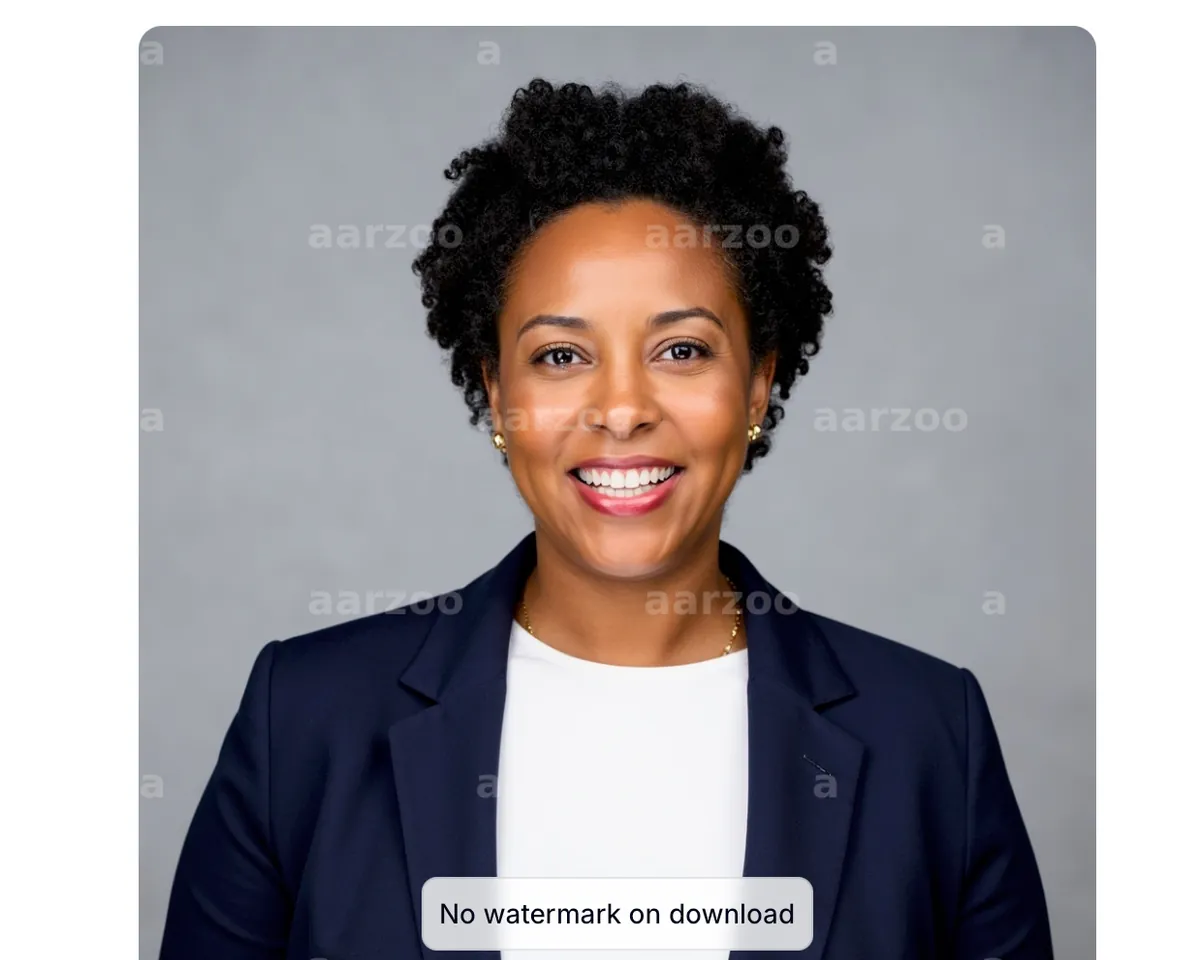
Ear cartilage that doesn’t match real anatomy. This is the easiest one. Look at the helix and antihelix of an AI ear — the curved ridges at the top and inside. They’re often blurred, fused, or shaped in a way human ears aren’t. AI training data oversamples front-facing photos and undersamples ear detail.
Hair that fades into the background. Real hair has individual strands, flyaways, edges that catch the light. AI hair tends to feather softly into the backdrop with no distinct boundary. From across the room it looks fine. At LinkedIn-thumbnail scale you can sometimes catch it. At firm-bio scale you always can.
Glassy, over-smooth skin. Real skin has texture even after professional retouching — pores, fine lines, the small asymmetries that make a face look like a face. AI skin is uniform. It looks airbrushed in a way that 1990s magazine covers used to look airbrushed. The eye registers it as not quite right before the brain figures out why.
The AI-blue background. Most AI headshot tools default to the same desaturated grey-blue that nobody actually photographs against in real studios. Once you see it you can’t unsee it. Real studio backdrops are paper, fabric, or painted walls — they have subtle texture and dimension. AI backgrounds are flat in a way that real ones aren’t.
Wardrobe that doesn’t move. Real fabric has wrinkles, folds, the way a collar sits when you turn your head. AI clothing is often suspiciously flat — like it was painted on. Pay attention to where shirt meets jacket, where collar meets neck. The transitions are giveaways.
The “almost you” face. This is the one nobody talks about. The AI captures your general appearance well enough that a stranger would say yes that’s them. But anyone who actually knows you looks at it and squints. Your real face has specific asymmetries — one eyebrow sits a millimeter higher, your smile pulls slightly to one side, you have a small scar from when you were nine. AI averages all of that out. The output is a competent-but-generic version of your face. Your colleagues notice.
Why It Costs You
LinkedIn isn’t a final destination. It’s the gateway to a coffee, a phone call, an interview, a board introduction. Every relationship that starts on LinkedIn eventually moves to a real conversation.
When the real conversation comes, the AI photo costs you twice. Once in credibility — the photo on your profile didn’t quite look like you. Once in the small irritation people don’t articulate but do feel — I was expecting someone else.
The fix is twenty minutes in a real studio. That’s it.
What I Photograph Instead
In my Wayne studio I photograph the actual you — the way you actually hold your shoulders, the genuine smile that comes out about ninety seconds in once you’ve stopped performing, the slight tilt of your head when you’re listening. None of that is scripted. All of it is yours.
I direct every angle and expression. I tether the camera to my laptop so you see each frame as it’s captured and pick your favorites before you leave. The result is a photo that looks like you on a good day — not a polished AI version of you that doesn’t quite hold up at coffee.
Want a real LinkedIn headshot that holds up at the actual meeting? Book a session at my Eagle Yards studio in Wayne — five minutes from King of Prussia along the Route 202 corridor. Or view pricing for individual sessions.
Ready for Your Professional Headshot?
Book your session today and get the perfect headshot that represents you professionally.
View Pricing & Book