

When to Update Your Professional Headshot: 9 Career Moments That Should Trigger a Session
Most people don’t decide they want a headshot. Something decides it for them.
A promotion lands. A recruiter calls. A conference puts your name on the speaker page and asks for a photo by Friday. You go to grab the headshot you’ve been using and realize it’s four years old, taken in a different job, with a haircut you no longer have.
That small moment — needing a current photo and not having one — is what brings most people into my Wayne studio. After photographing 6,000+ professionals, I can usually name the trigger before they tell me.
Here are the nine that come up most. If one of them is sitting on your calendar, this is your cue.
When your title changes
A promotion is the most common reason someone books. New role, new responsibilities, new rooms you’re walking into — and a photo that still shows the person you were two jobs ago.
The headshot is a small thing to update, but it’s one of the first things people check when they hear you’ve moved up. Give them a photo that looks like it belongs to the new title.
When you’re starting a job search
If you’re job hunting, your LinkedIn headshot is doing work before your resume ever loads. Recruiters and hiring managers see your name and your face together, in that order, within seconds.
Update the photo before you start applying, not halfway through. A current, confident image sets the tone for everything that follows — and at the executive level, it’s one of the cheapest high-visibility upgrades you can make.
When you’ve been invited to speak
Speaking invitations come with a quiet deadline: the organizers need your bio and a photo, usually faster than you’d like. The photo lands on the event’s speaker page, sometimes on the screen behind you.
A speaking photo works harder than a profile thumbnail. It has to hold up at full size with presence, not just clarity. When a client tells me they’re keynoting or sitting on a panel, I capture a taller, higher-presence frame alongside their standard looks.
When you join a board
Board bios sit next to other board members — people who take their image seriously. A current executive portrait is part of looking like you belong in that group, not like the photo got pulled from an old company directory.
When the press comes calling
An award, a podcast invitation, a quote in an industry piece, a byline. The moment someone is about to feature you is the moment you want an image you’re proud to see in print or embedded in an article.
Press photos get cropped, scaled, and sometimes run in black and white. A photo made with that in mind survives the trip; a casual phone snap doesn’t.
When you make partner — or go out on your own
Making partner is a milestone, and it deserves better than a cropped corner of a group photo. So does launching something of your own — a new firm, a consultancy, a fractional practice. When you’re the brand, the portrait is part of the launch, not an afterthought.
When your company rebrands or launches a new site
A rebrand or a new website is the moment scattered, mismatched headshots stop being tolerable. Some are dark, some are bright, some are five years old, and lined up on one team page they look like a collage instead of a company.
One session, one consistent look, and every bio on the new site finally matches. I bring the studio to your office so it happens in a single afternoon.
When your team is growing
New hires, a refreshed “Meet the Team” page, a leadership announcement — growth keeps creating reasons to photograph people. The firms that handle this best move to a standing headshot day, scheduled in advance, so everyone gets the same lighting and style and nobody on the page looks like they were added later.
When it just doesn’t look like you anymore
This is the quiet one. No event, no deadline — just a photo that’s drifted out of sync with the person you actually are now. A few years and one haircut out of date, and it’s working against you in a way that’s hard to point to and easy to feel.
If you hesitate before sending your photo, that hesitation is the answer.
How often should you actually update it?
Two to three years is the working baseline. C-suite, partners, and anyone whose photo is seen widely tend to refresh every two years, because the image is doing more work in more places. (If your photo is living in five different places at once, here’s why one headshot isn’t enough at that level.)
The calendar is a guide, not the rule. The real test is whether the photo still looks like the person who walks into the room.
What a session actually looks like
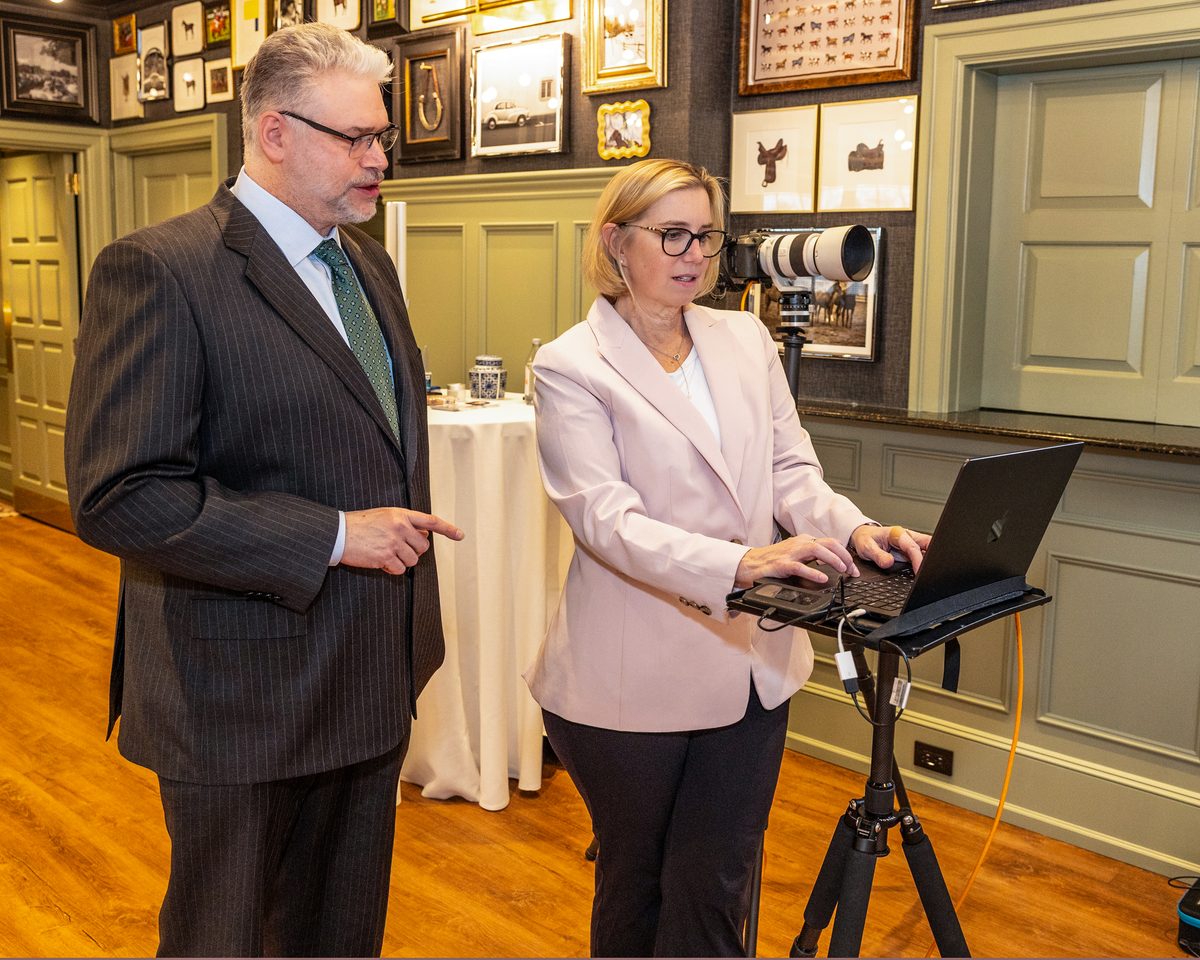
In my Wayne studio, a Studio Session runs about 60 minutes. I direct you the whole way — you don’t need to know what to do with your hands or your face, that’s my job — and the camera is tethered to a monitor, so you see every frame as I capture it and pick your favorites live on the spot. No waiting, no guessing.
If one of these nine moments is on your calendar, let’s get it on the books before the deadline gets closer.
Common Questions
How often should you update your professional headshot? Every two to three years is the working baseline for most professionals. C-suite, partners, and anyone whose photo is seen widely tend to refresh every two years, because the image is doing more work in more places. The real test isn’t the calendar — it’s whether the photo still looks like the person who walks into the room. Once there’s a visible gap, it’s time.
Should I get a new headshot for a job search? Yes, and ideally before you start applying. Recruiters and hiring managers look at your LinkedIn photo within seconds of seeing your name, and a current, confident headshot sets the tone before they read a single line of your experience. At the executive level it’s one of the lowest-cost, highest-visibility upgrades you can make.
Do I need a special headshot for a speaking engagement? A speaking photo works harder than a LinkedIn thumbnail — it has to hold up at full screen on a conference page and read with presence, not just clarity. You don’t always need a separate session, but you want a look captured with that use in mind. When a client tells me they’re speaking, I photograph a taller, higher-presence frame alongside their standard looks.
When should a company schedule team headshots? The common triggers are a website rebuild or rebrand, a “Meet the Team” page that’s gone out of date, a round of new hires, or a leadership announcement. Many firms move to a standing headshot day — quarterly or twice a year — so new people are photographed in the same lighting and style as everyone else and the team page stays consistent. I bring the studio to your office for these.
How do I know if my headshot is too old? A few quick tells: it’s from a previous job, your hair or glasses have changed, you hesitate before sending it, or people who meet you in person seem briefly surprised. If your photo is more than three years old, assume it’s working against you until proven otherwise.
Ready for Your Professional Headshot?
Book your session today and get the perfect headshot that represents you professionally.
View Pricing & Book